Welding Fume Testing and Exposure Monitoring
Workplace assessments and practical control advice across New Zealand.
The Dangers of Welding Fumes
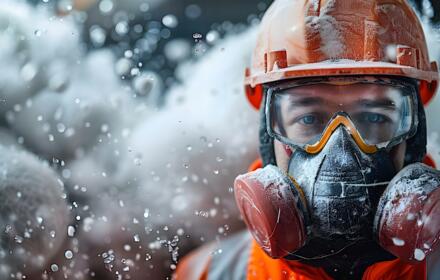
Welding processes can release hazardous metal fumes into the air, posing significant health risks to workers. These risks include respiratory tract damage, kidney disease, and even cancer. The fine particles in welding fumes can be particularly harmful as they have the potential to penetrate deep into the lungs.
When should welding fume exposure be assessed?
WorkSafe recommends exposure monitoring where workers are exposed to welding fume. An assessment helps you understand exposure and evaluate controls. The welding process, metals, consumables, coatings, work location and ventilation all inform the assessment.
A visible haze is not a reliable measure of an individual worker’s exposure. Tell us about the actual work and conditions so the monitoring can address the relevant hazards.
Guidance: WorkSafe: health and safety in welding.
What can Accurate Consulting help with?
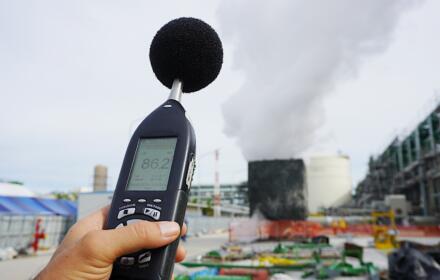
We can assess personal exposure, consider area measurements where appropriate and provide recommendations to improve control of welding fume. Before monitoring, we agree the tasks, workers and working conditions to be assessed.
To request a quote, provide your location, welding methods, base metals and consumables, typical shift length, worker numbers and details of extraction or respiratory protection. We will confirm the scope and reporting arrangements.
Call 09 574 5883 or use the form below.
- Personal Exposure Monitoring: We assess individual exposure to fumes directly from the worker’s breathing zone using wearable monitors throughout the work shift.
- Area Monitoring: This method evaluates the concentration of welding fumes in specific areas, providing a broader view of exposure risks.
- Expert Recommendations: Based on the results, we recommend effective control measures in accordance with the hierarchy of controls, these may include local exhaust ventilation systems and personal protective equipment.
What happens after monitoring?
We explain the findings in the context of the work observed, the relevant exposure guidance and the assessment limitations. Recommendations may include improving source extraction, reviewing work practices or reassessing respiratory protection.
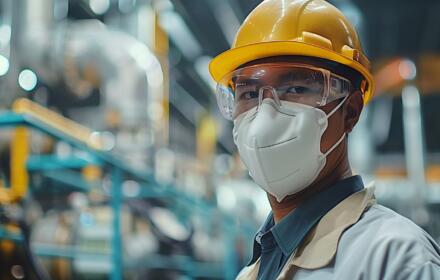
Does wearing a respirator remove the need for other controls? Respiratory protection is one part of managing exposure. The assessment should also consider how fume can be prevented or captured before it reaches workers. See WorkSafe guidance on welding and local exhaust ventilation.
Explore our ventilation assessments and quantitative and qualitative respirator fit testing.
Contact Us for a FREE QUOTE
Fill out this form and we will be in touch to discuss your requirements.